
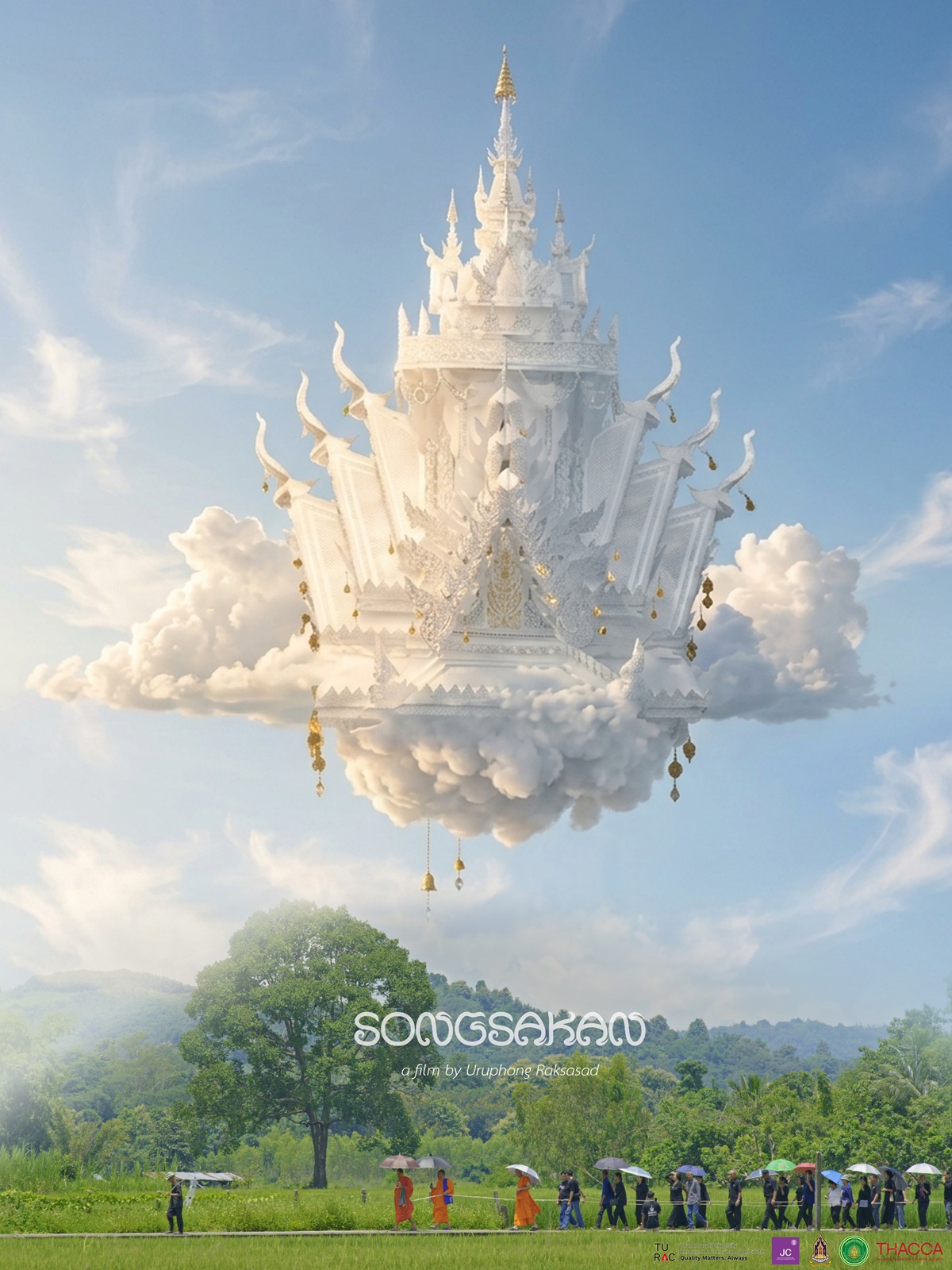
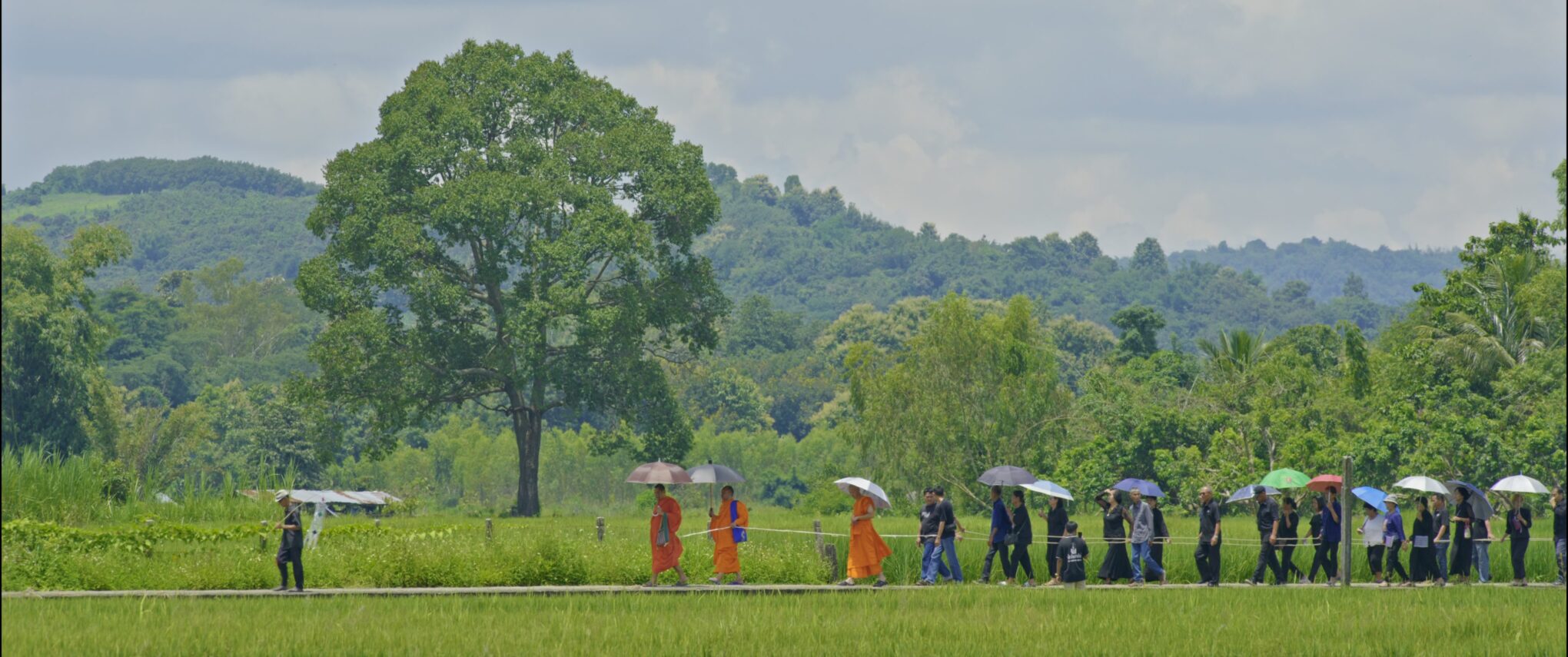
ภาพยนตร์นำเสนอชีวิตประจำวันของทีมงานผลิตและจัดส่ง “ปราสาทศพ” ทีมหนึ่งในพื้นที่ทางตอนเหนือของประเทศไทย โดยปราสาทศพเป็นสิ่งที่จะต้องถูกเผาไปพร้อมกับศพของผู้ตาย นอกจากจะแสดงให้เห็นถึงความเชื่อและประเพณีเกี่ยวกับความตายของผู้คนในพื้นที่แล้ว หลายครั้งภาพยนตร์ยังตั้งคำถามผ่านฉากงานศพหลากหลายรูปแบบ “ส่งสการ” คือพิธีแห่ร่างผู้ตายไปยังสุสานตามประเพณีล้านนา หรือประเพณีทางภาคเหนือของไทย ณ ชุมชนแห่งหนึ่งในจังหวัดเชียงรายซึ่งยังคงรักษาประเพณีล้านนาดั้งเดิมไว้อย่างเหนียวแน่น เมื่อมีใครสักคนจากไป ครอบครัวของผู้ตายจะติดต่อโรงงานเล็ก ๆ ในหมู่บ้านที่รับสร้างปราสาทศพโดยเฉพาะ ช่างฝีมือที่ทำงานอยู่ที่นั่นก็คือคนในชุมชนเดียวกัน พวกเขาลงมือสร้างปราสาทขึ้นมาหนึ่งหลังจากไม้ กระดาษ และผ้า ใช้เวลาหลายวันทุ่มเทให้กับรายละเอียดต่าง ๆ ด้วยความตั้งใจไม่ต่างจากการสร้างที่อยู่ให้คนในครอบครัวของตนเอง เพื่อให้ผู้ตายได้จากไปอย่างสง่างามและสมศักดิ์ศรี
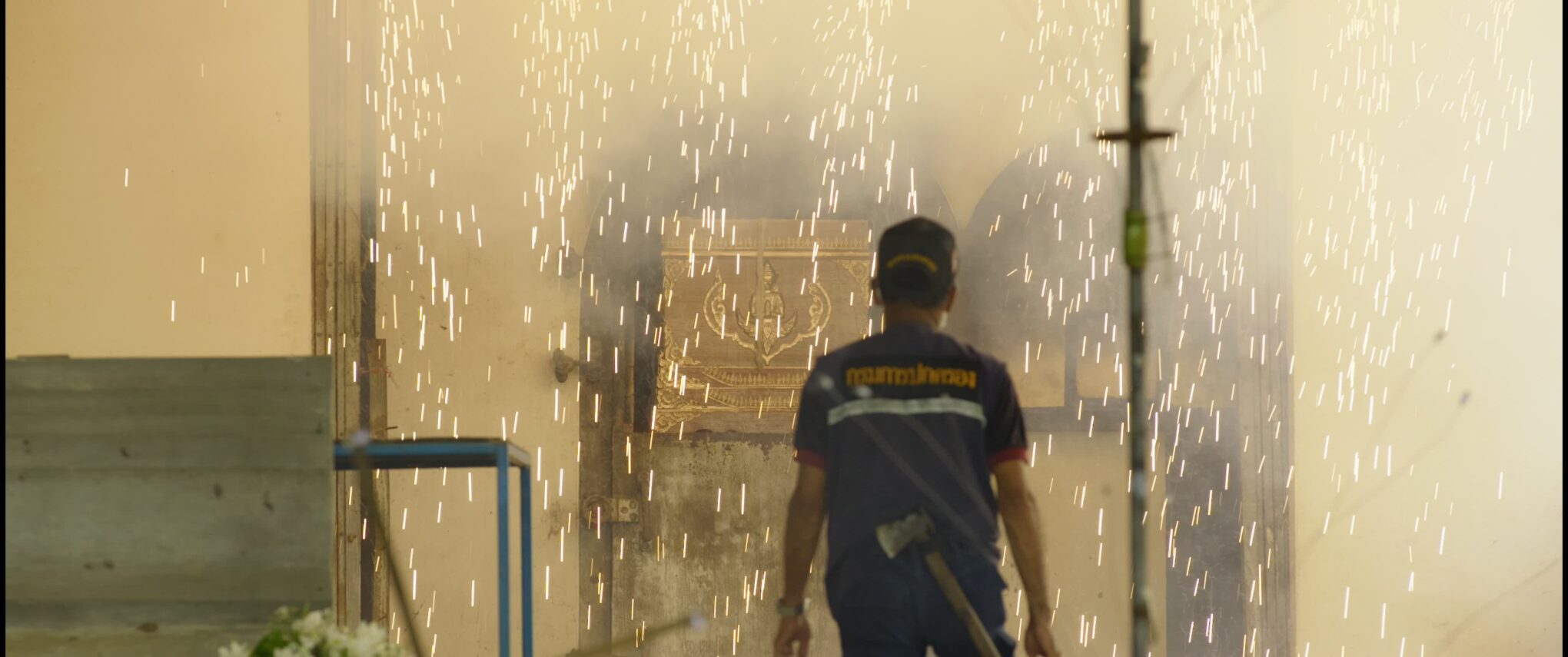
เมื่อปราสาทสร้างเสร็จ วันหนึ่งก็ถึงเวลาที่ทุกคนต้องช่วยกันแบกปราสาทนั้นออกเดินทาง ฝ่าฝนที่ไม่เคยรอให้ใครพร้อม และฝ่าน้ำหนักที่เกินกว่าคนเพียงคนเดียวจะรับไหว โดยอาศัยกำลังของคนหลายคนช่วยกันประคองและเคลื่อนย้ายไปยังจุดหมายที่ตั้งใจไว้ เมื่อขบวนแห่มาถึงปลายทาง สิ่งที่ทุกคนบรรจงสร้างขึ้นทั้งหมดก็ถูกเผาและมอดไหม้ไปในเปลวไฟ ทุกรายละเอียดที่สร้างสรรค์ไว้หายไปพร้อมกันภายในเวลาเพียงไม่กี่นาที เหลือไว้เพียงเถ้าถ่านไม่ต่างกัน ไม่ว่าปราสาทหลังนั้นจะมีขนาดเล็กกะทัดรัดหรือยิ่งใหญ่อลังการเพียงใด มีบางสิ่งที่งดงามอยู่ในความสูญสลายนี้ เพราะมันคล้ายกับชีวิตที่เราทุกคนต่างพยายามสร้างให้ดีที่สุดเท่าที่จะทำได้ แม้รู้อยู่แก่ใจว่าสักวันหนึ่งทุกสิ่งจะต้องมลายหายไป ภาพยนตร์สารคดีเรื่องนี้จึงพาผู้ชมเข้าไปใกล้พิธีกรรมแห่งการอำลาของชุมชนเล็ก ๆ แห่งนี้ เพื่อมองความตายในมุมที่เราอาจไม่เคยมองมาก่อน
The film depicts the daily lives of a team that constructs and transports funeral palaces in northern Thailand. These Lanna-style funeral palaces form an essential part of the funeral procession and are eventually cremated together with the deceased. Beyond presenting the beliefs and traditions surrounding death in the region, the film also raises questions through its observation of funerals in various forms. “Songsakan” refers to the traditional Lanna procession in which the body of the deceased is carried to the cremation ground, following the customs of northern Thailand. In a community in Chiang Rai Province where traditional Lanna culture remains deeply rooted, whenever someone passes away, the family contacts a small village workshop that specializes in building funeral palaces. The artisans are members of the same community. Using wood, paper, and fabric, they spend several days carefully constructing each palace and attending to every detail, with the same devotion as though they were creating a final dwelling for a member of their own family, allowing the deceased to depart with dignity and grace.
Once the funeral palace is completed, the day arrives when the team must carry it on its journey. They struggle through rain that never waits for anyone to be ready and bear a weight too great for one person to manage alone. Many people must work together to support and transport the structure toward its destination. When the procession finally reaches the cremation ground, everything they have so carefully created is consumed by flames. Every detail, painstakingly crafted over several days, disappears within only a few minutes, leaving behind nothing but ashes, regardless of whether the palace was small and modest or vast and magnificent. There is something beautiful within this disappearance. It resembles life itself: we all try to create the best life we possibly can, even though we know that one day everything must eventually dissolve and vanish. This documentary brings viewers close to the rituals of farewell practised by this small community, inviting them to contemplate death from a perspective they may never have considered before.
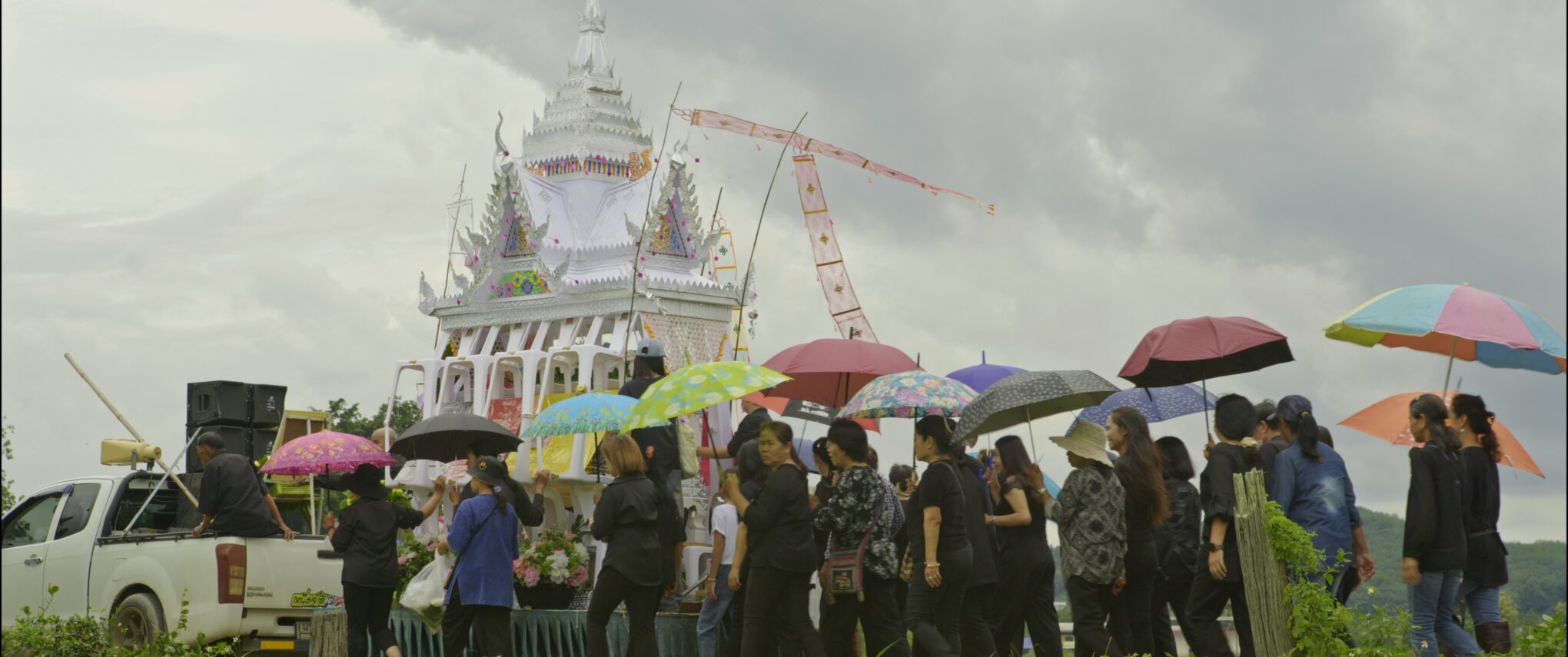
ที่บ้านในวัยเด็กของผมมีรูปถ่ายขบวนแห่ศพอยู่สองใบ ทั้งสองรูปมีปราสาทศพอยู่ ภาพเหล่านั้นมันทำงานกับความคิดความฝันของผมอยู่มาก มันงดงาม ลึกลับ และมีร่องรอยของอดีตอะไรบางอย่างให้ค้นหา เวลาผ่านมาถึงปัจจุบัน ผมได้กลับไปยังพื้นที่นั้น และถ่ายทอดเรื่องราวเหล่านั้นออกมาเป็นภาพยนตร์สารคดี ทีมงานเมืองเทิงผาสาทศิลป์ทำงานหนักมาก มีคนตายเยอะ และเพราะรับงานทั้งในหมู่บ้าน ต่างตำบล ต่างอำเภอ หลายครั้งแล้วที่ส่งงานไปประเทศลาว พม่า ซึ่งก็มีออเดอร์มาเรื่อย ๆ ปราสาท 1 หลังสามารถเร่งให้เสร็จภายในสองวัน แต่เขาจะทำโครงสร้างแบบมาตรฐานไว้ล่วงหน้าส่วนหนึ่ง ลูกค้าเลือกสี ทีมงานถึงจะทำต่อ นอกเหนือจากนั้นก็จะทำตามสั่งของลูกค้า เป็นนก เป็นหงส์ หรืออะไรก็แล้วแต่ลูกค้า เรียกว่าทำแทบไม่ทันครับ ทีมงานบางทีพักผ่อนไม่พอ แต่ก็ต้องทำ เมื่อมีคนตายและเขาสั่งปราสาทมา มันกลายเป็นหน้าที่ที่ปฏิเสธไม่ได้ อันนี้เป็นหลักคิดของบิ๊ก เจ้าของโรงปราสาท งานส่งสการ หรือส่งศพ มีรูปแบบคล้ายกันในแถบภาคเหนือทั้งหมด อาจมียกเว้นบ้างในเขตตัวเมืองบางที่ที่จะเผาที่วัดเลย
เนื่องจากปราสาททำแล้วเผาทิ้ง จะเห็นว่าก็มีการลดการใช้วัสดุสิ้นเปลืองอย่างไม้ กระดาษ มาใช้เก้าอี้ ศาลาไม้จริงเป็นตัวปราสาท เมื่อพิธีเสร็จ ก็นำส่วนนั้นมาใช้ในชุมชน เช่น วัด โรงเรียน สวนสาธารณะ ริมถนน รวมถึงสิ่งของในพิธี เช่น พวงหรีด เขาก็เอาของที่สามารถนำมาใช้ประโยชน์ในภายหลังมาใช้เป็นส่วนประกอบให้มากที่สุด แต่อย่างไรก็ตาม มันแค่ช่วยได้แค่นิดหน่อยเท่านั้น ตราบที่ประเพณีมันยังใช้การเผาปราสาทอย่างนี้อยู่
At my childhood home, there are two photographs of funeral processions, both featuring funeral castles. These images have resonated deeply with my thoughts and dreams. They are beautiful and mysterious, and they contain traces of a past waiting to be uncovered. Many years later, I returned to that place and translated those stories into a documentary film. The Muang Thoeng Phasat Sin team works extremely hard. There are many deaths, and they accept commissions not only within their own village but also from other subdistricts and districts. On several occasions, they have even delivered funeral castles to Laos and Myanmar, and orders continue to arrive regularly. A single funeral castle can be completed in as little as two days, although the team prepares some of the standard structural frames in advance. Once the customer has selected the colour, the team continues with the remaining work. They also create customised designs according to the customer’s requests, whether in the form of a bird, a swan, or anything else the customer desires. There is barely enough time to complete all the work. Sometimes the team does not get enough rest, but they must continue whenever someone dies and an order for a funeral castle arrives. It becomes a duty that cannot be refused, an idea that lies at the heart of Big’s philosophy as the owner of the funeral-castle workshop. The Songsakan, or the procession that carries the deceased to the cremation ground, follows a similar form throughout northern Thailand, although there may be some exceptions in certain urban areas, where the cremation takes place directly at a temple.
Because funeral castles are constructed only to be burned, efforts have been made to reduce the use of disposable materials such as wood and paper. Chairs or permanent wooden pavilions may be incorporated into the structure of the funeral castle so that, once the ceremony is over, these components can be reused within the community, for example at temples, schools, public parks, or along roadsides. The same principle applies to ceremonial objects such as funeral wreaths: as many useful items as possible are incorporated into them so that they can be put to practical use afterwards. Nevertheless, these measures can only help to a very limited extent as long as the tradition continues to require the funeral castle to be burned.
อุรุพงศ์ รักษาสัตย์ เป็นผู้กำกับภาพยนตร์และสารคดี ซึ่งเป็นที่รู้จักจากผลงานที่บันทึกชีวิตของผู้คนในชนบทไทยด้วยสายตาที่ละเอียดอ่อน สงบนิ่ง และให้ความสำคัญกับการสังเกตมากกว่าการอธิบาย ผลงานของเขามักสำรวจความสัมพันธ์ระหว่างมนุษย์ ธรรมชาติ แรงงาน และการเปลี่ยนแปลงทางสังคม ผ่านภาษาภาพยนตร์ที่เรียบง่าย แต่เปี่ยมด้วยพลังทางอารมณ์
อุรุพงศ์สร้างผลงานสารคดีที่ได้รับการยอมรับทั้งในประเทศไทยและต่างประเทศ โดยเฉพาะ สวรรค์บ้านนา (Agrarian Utopia, 2009) และ เพลงของข้าว (Songs of Rice, 2014) ภาพยนตร์ที่ผสมผสานระหว่างสารคดีและเรื่องแต่ง เพื่อถ่ายทอดวิถีชีวิตของเกษตรกรไทยท่ามกลางการเปลี่ยนแปลงของโลกสมัยใหม่
ลักษณะเด่นของผลงานอุรุพงศ์คือการใช้เวลาร่วมกับผู้คนและพื้นที่จริงเป็นระยะเวลานาน เพื่อให้เรื่องราวค่อย ๆ เปิดเผยผ่านจังหวะของชีวิตประจำวัน ภาพยนตร์ของเขาจึงมักตั้งคำถามถึงความยากจนของชาวนา ความสัมพันธ์ระหว่างมนุษย์กับผืนดิน ผลกระทบจากความเปลี่ยนแปลงทางเศรษฐกิจและสังคมที่มีต่อชุมชนชนบท ตลอดจนความเชื่อที่ผู้คนยอมรับโดยไม่ตั้งคำถาม
ผลงานล่าสุดของเขาคือ บูชา (Worship, 2022) ภาพยนตร์สารคดีที่พาผู้ชมเดินทางผ่านภูมิทัศน์แห่งความศรัทธาและพิธีกรรมในประเทศไทย พร้อมสำรวจความสัมพันธ์ระหว่างความเชื่อ ศาสนา และผู้คนที่แสวงหาที่พึ่งทางจิตใจจากความเชื่อเหล่านั้นโดยไม่เคยตั้งคำถาม
Uruphong Raksasad is a filmmaker and documentary director known for portraying the lives of people in rural Thailand through a sensitive and contemplative perspective. His filmmaking places greater emphasis on observation than explanation. His works often explore the relationships between human beings, nature, labour, and social change through a cinematic language that is simple yet emotionally powerful.
Uruphong has created documentaries that have received recognition in Thailand and internationally. His notable works include Agrarian Utopia (2009) and Songs of Rice (2014), films that blend documentary and fictional elements to portray the lives of Thai farmers amid the transformations of the modern world.
A defining characteristic of Uruphong’s work is the extensive time he spends with real people and in actual locations, allowing each story to reveal itself gradually through the rhythms of everyday life. His films frequently raise questions about poverty among farmers, the relationship between people and the land, the impact of economic and social change on rural communities, and forms of belief that are accepted without question.
His latest work, Worship (2022), is a documentary that takes viewers on a journey through the landscapes of faith and ritual in Thailand. The film examines the relationships between belief, religion, and the people who seek comfort and meaning in them without ever questioning their foundations.
ภาพยนตร์เรื่องยาว · Feature Films
2005 เรื่องเล่าจากเมืองเหนือ · Stories from the North
2009 สวรรค์บ้านนา · Agrarian Utopia
2014 เพลงของข้าว · Songs of Rice
2021 บูชา · Worship
2023 ลำนำของความคับแค้น · Song of Angry People
2024 Paradox Democracy
2026 ส่งสการ · Songsakan
หนังสั้น · Short Films
2006 แข่งบั้งไฟ
2012 เชียงราย 0250
2016 พลเมืองบุญมา
2020 น้ำวน · Whirlpool (จากภาพยนตร์ชุด ติดถ้ำ · The Caved Life)