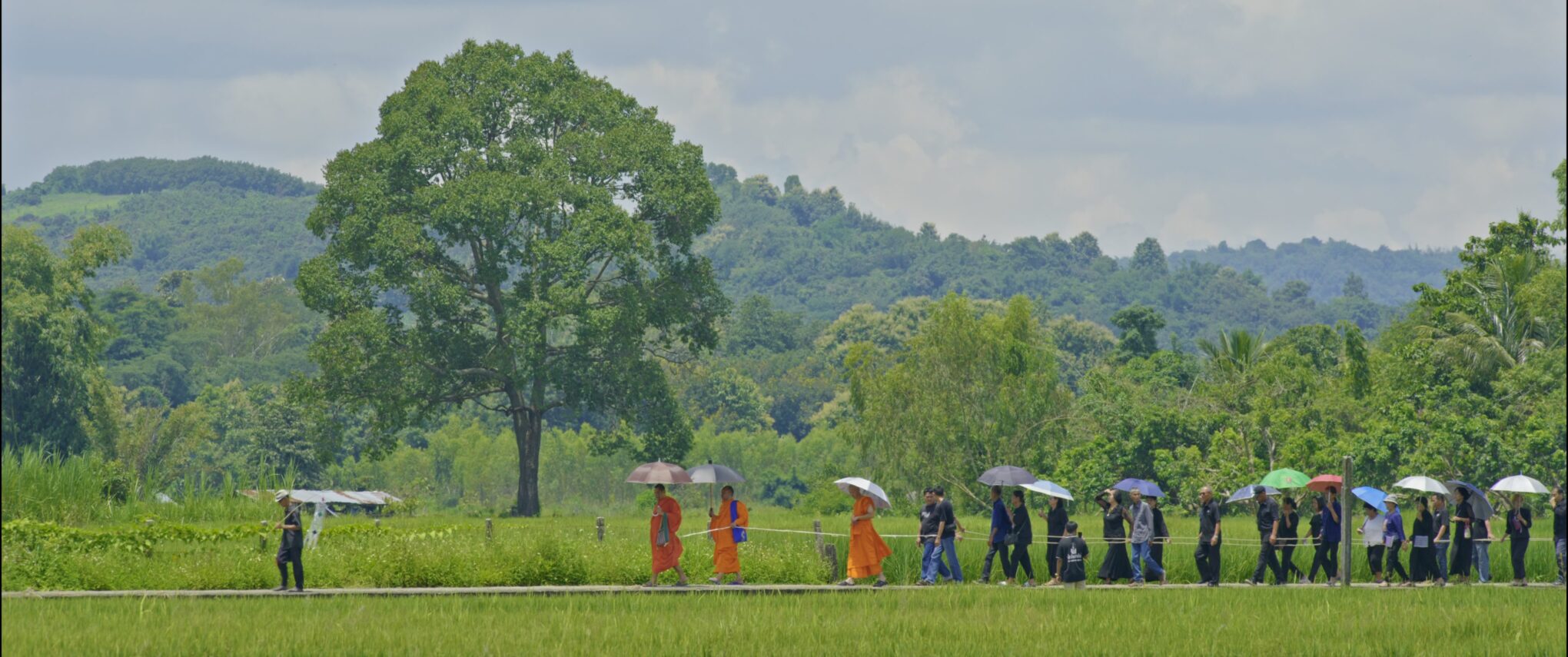
Cambodian Beer Dreams: เมื่อความฝันถูกขายมาในขวดเบียร์
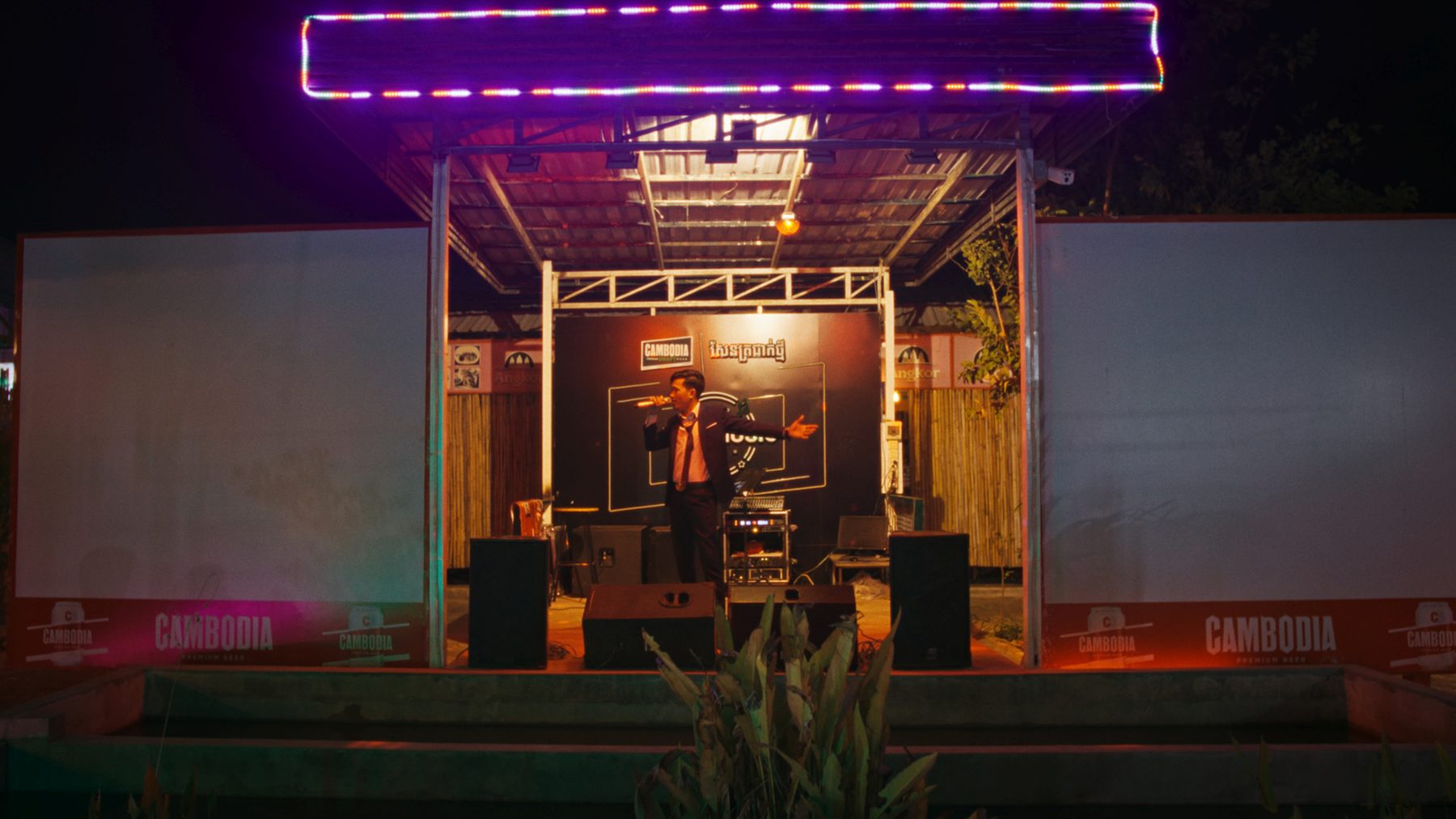
ในกัมพูชา เบียร์ไม่ได้เป็นเพียงเครื่องดื่มสำหรับการสังสรรค์ แต่มันกลายเป็นทั้งสินค้า ความหวัง อาชีพ ความฝัน และในเวลาเดียวกันก็เป็นกับดักของระบบเศรษฐกิจที่แทบไร้การควบคุม
Cambodian Beer Dreams ผลงานของผู้กำกับชาวเดนมาร์ก Laurits Nansen พาเราเข้าไปสำรวจสงครามแย่งชิงตลาดเบียร์ในกัมพูชา ประเทศที่บริษัทเบียร์ทั้งท้องถิ่นและนานาชาติแข่งขันกันอย่างดุเดือดด้วยป้ายโฆษณาขนาดมหึมา เงินรางวัล รถจักรยานยนต์ ของรางวัล และ “beer girls” หรือสาวเชียร์เบียร์ที่ถูกจ้างมาเพื่อผลักดันยอดขายในร้านอาหารและสถานบันเทิง ภายใต้ภาพของงานเลี้ยง แสงนีออน และเสียงเพลง หนังกลับค่อย ๆ เปิดให้เห็นโครงสร้างที่เชื่อมโยงระหว่างความยากจน การตลาด การเมือง และการเสพติดเข้าด้วยกัน
ตัวละครสำคัญด้านหนึ่งคือ Kim Eng นักกิจกรรมที่พยายามผลักดันให้กัมพูชามีกฎหมายควบคุมแอลกอฮอล์ระดับชาติ เขาต้องต่อสู้กับอุตสาหกรรมขนาดมหึมาในประเทศซึ่งกฎระเบียบเกี่ยวกับแอลกอฮอล์ยังมีอยู่น้อยมาก ในหนัง Kim Eng พูดประโยคหนึ่งที่สรุปภาพตรงหน้าได้อย่างเจ็บแสบว่า “มีโฆษณาเบียร์มากเสียจนมองไม่เห็นแม้แต่ป้ายถนน” และภาพของป้ายเบียร์ที่ปกคลุมเมืองก็ทำให้คำพูดนั้นไม่ได้เป็นเพียงคำเปรียบเทียบ แต่แทบจะเป็นความจริงที่มองเห็นได้ด้วยตา
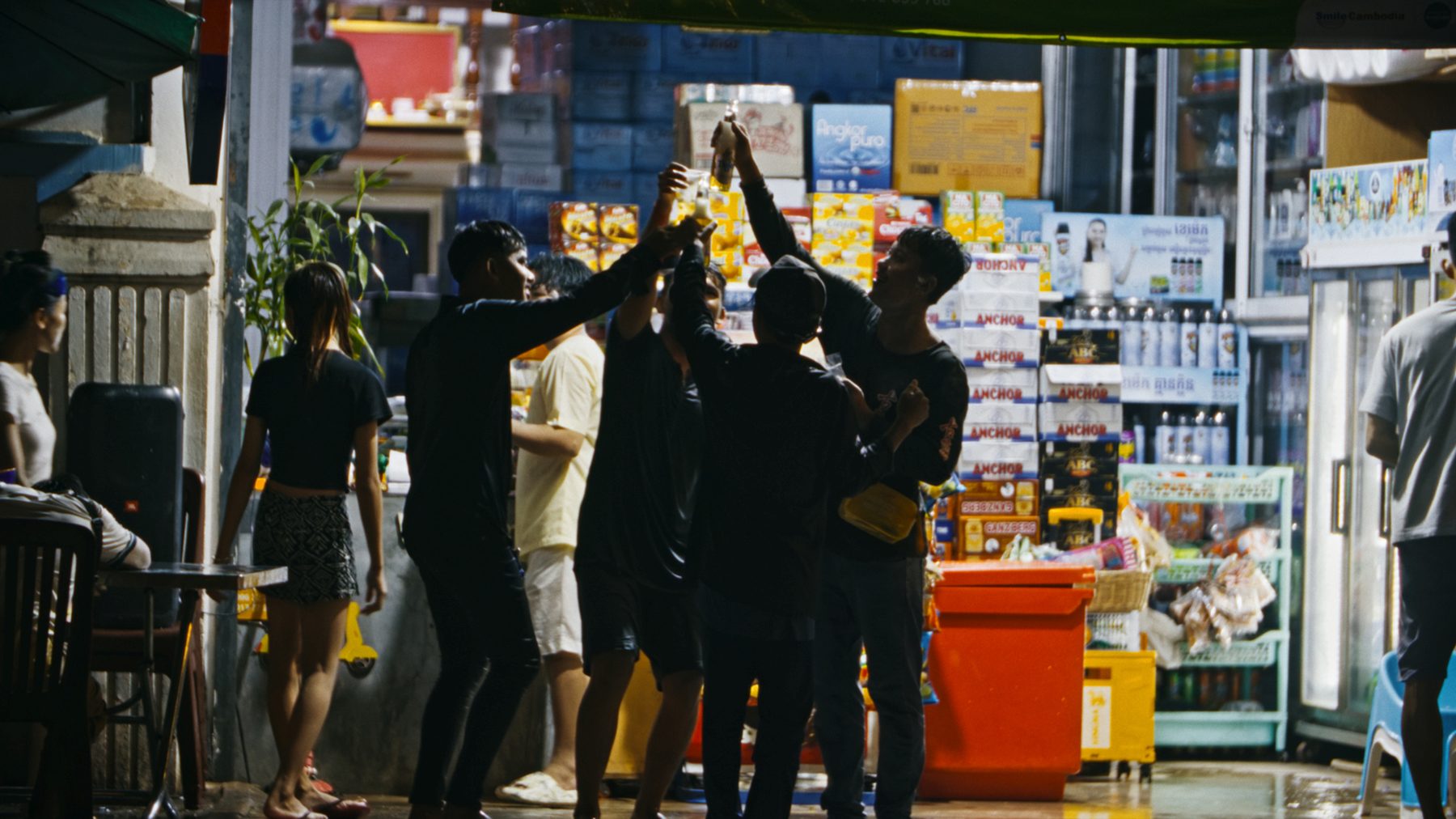
แต่ความน่าสนใจของ Cambodian Beer Dreams คือมันไม่ได้สร้างโลกง่าย ๆ ที่มีเพียง “บริษัทชั่วร้าย” กับ “เหยื่อผู้บริสุทธิ์” อีกด้านหนึ่งของหนังคือชาวกัมพูชาธรรมดา ทั้งคนขายเบียร์ นักร้อง และหญิงสาวที่ทำงานโปรโมตเบียร์ ซึ่งต่างมองอุตสาหกรรมนี้ว่าอาจเป็นหนทางให้พวกเขาหลุดพ้นจากความยากจน สำหรับบางคน เบียร์คือสิ่งที่กำลังทำลายชีวิต แต่สำหรับอีกคน มันคือเงินเดือน ค่าเช่าบ้าน หรือความหวังว่าจะมีชีวิตที่ดีกว่าเดิม ความย้อนแย้งนี้ทำให้หนังไม่ได้พูดถึงแอลกอฮอล์เพียงด้านเดียว แต่พูดถึงคำถามที่ใหญ่กว่านั้นว่า ถ้าความฝันของคนจนต้องพึ่งพาสิ่งเดียวกับที่กำลังเอาเปรียบพวกเขาอยู่ เราจะเรียกสิ่งนั้นว่า “โอกาส” ได้จริงหรือไม่
Nansen มีพื้นเพจากการเป็นนักข่าวสืบสวนสอบสวน เขาเรียนด้านประวัติศาสตร์และวารสารศาสตร์ และเคยทำงานให้หนังสือพิมพ์ชั้นนำของเดนมาร์ก ก่อนหันมาจับงานสารคดี งานของเขาจึงมีทั้งความละเอียดลึกแบบงานข่าวและความสามารถในการเล่าเรื่องด้วยภาพยนตร์ เขาเคยได้รับรางวัลจากสมาคมนักข่าวสืบสวนสอบสวนของเดนมาร์กและคณะกรรมาธิการยุโรป รวมทั้งได้รับการเสนอชื่อเข้าชิงรางวัลสำคัญหลายรางวัลในเดนมาร์ก
สิ่งที่ทำให้ Nansen เริ่มต้นโครงการนี้ก็น่าสนใจไม่แพ้กัน เขาเล่าว่าเดิมทีต้องการทำหนังเกี่ยวกับแอลกอฮอล์ เพราะในยุโรปปัญหานี้ฝังอยู่ในวัฒนธรรมจนแทบมองไม่เห็น เขาจึงต้องหามุมมองใหม่เพื่อให้ผู้ชมกลับมามองสิ่งที่คุ้นเคยอีกครั้ง หลังจากค้นคว้าข้อมูล เขาพบว่าการบริโภคแอลกอฮอล์ในกัมพูชากำลังเพิ่มขึ้นอย่างรวดเร็วและประเทศยังไม่มีกฎหมายแอลกอฮอล์ระดับชาติ เขาจึง “ซื้อตั๋วเครื่องบินแล้วเดินทางไปพร้อมกับกล้อง” เพื่อเริ่มสำรวจเรื่องนี้ด้วยตนเอง
เบื้องหลังความสนใจดังกล่าวยังมีมิติส่วนตัว เพราะพ่อของ Nansen เสียชีวิตจากปัญหาที่เกี่ยวข้องกับแอลกอฮอล์ ประสบการณ์นี้ช่วยอธิบายว่าทำไมหนังจึงมองคนที่ดื่มหรือคนที่พึ่งพาอุตสาหกรรมเบียร์ด้วยความเห็นอกเห็นใจ มากกว่าจะตัดสินพวกเขาจากภายนอก
ด้านภาพ หนังเต็มไปด้วยความขัดแย้งที่ชัดเจนมาก สีสันของป้ายโฆษณา แสงนีออน งานปาร์ตี้ เสียงเพลง และภาพผู้คนกำลังสนุกสนาน ถูกวางเคียงกับความรุนแรงของการเสพติด ความยากจน และอำนาจของบริษัทขนาดใหญ่ นักวิจารณ์ชี้ให้เห็นว่าภาพโฆษณาเบียร์ที่ครอบงำภูมิทัศน์ของเมืองสร้างบรรยากาศแทบจะเหนือจริง ขณะที่ฉากกลางคืนอันอึกทึกทำให้เราเริ่มสัมผัสได้ถึงความก้าวร้าวและความเปราะบางที่ซ่อนอยู่หลังงานเลี้ยง
Cambodian Beer Dreams เปิดตัวรอบปฐมทัศน์โลกที่ CPH:DOX 2026 ประเทศเดนมาร์ก ในสาย F:ACT Competition ซึ่งเป็นสายประกวดที่เน้นสารคดีซึ่งผสมผสานงานข่าวเชิงสืบสวนกับภาษาภาพยนตร์ ก่อนเดินทางไปฉายในเทศกาลอื่น รวมถึง Millennium Documentary Film Festival และในปีนี้ได้รับเลือกเข้าสู่ International Competition ของ What the Doc! Film Festival 2026
ชื่อ Cambodian Beer Dreams จึงมีความหมายที่ขมขื่นกว่าที่ฟังครั้งแรก เพราะ “ความฝัน” ในหนังอาจหมายถึงความฝันของบริษัทที่จะครองตลาด ความฝันของคนธรรมดาที่อยากพ้นจากความจน หรือความฝันชั่วคราวที่เกิดขึ้นเมื่อเปิดขวดเบียร์อีกขวดหนึ่ง
และเมื่อหนังจบลง สิ่งที่น่ากลัวที่สุดอาจไม่ใช่เรื่องราวของกัมพูชา หากคือการตระหนักว่าโครงสร้างแบบเดียวกันนี้ไม่ได้อยู่ไกลจากเราเลย
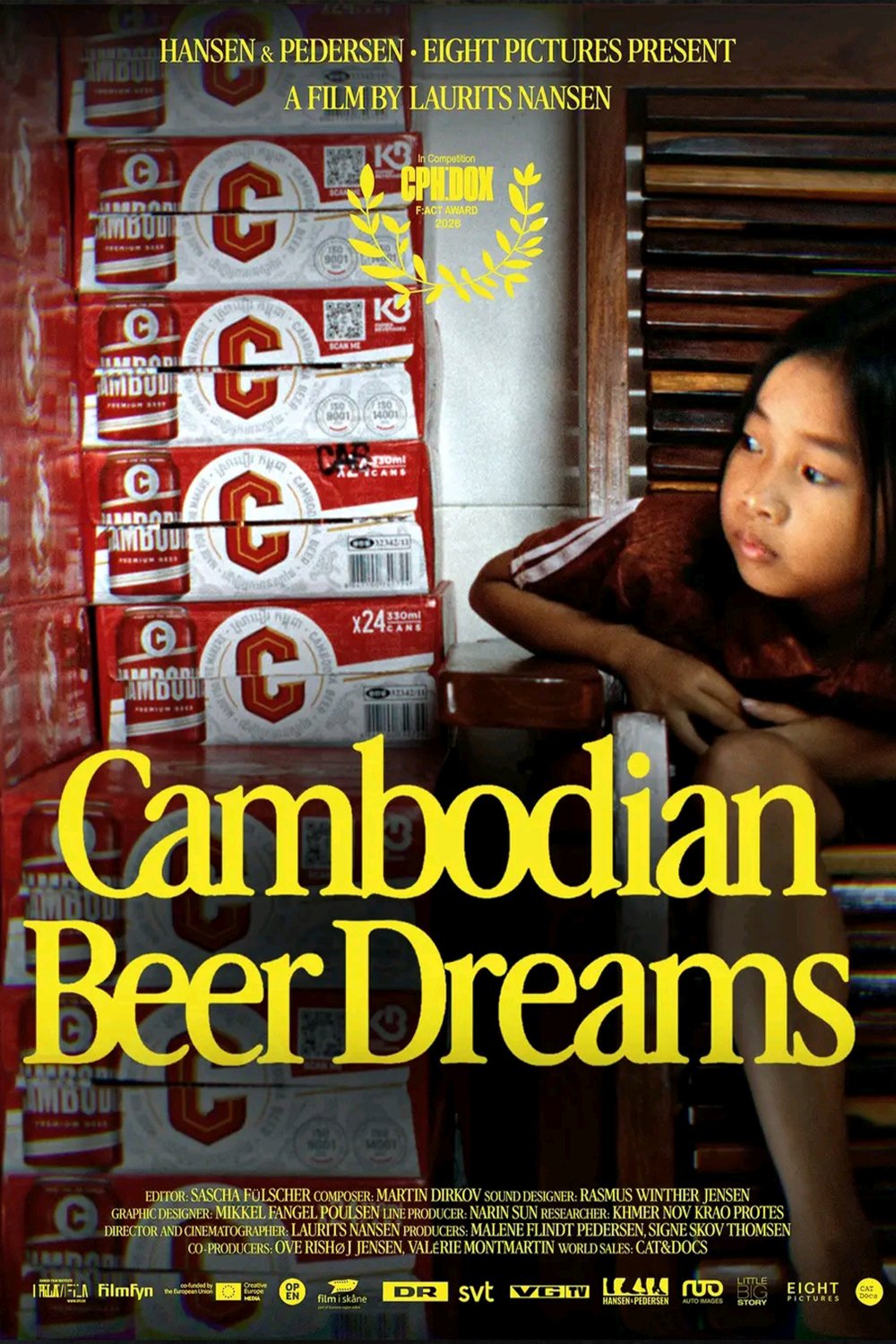
- เสาร์ 29 สิงหาคม 2026 · 12:00 น.Sat 29 August 2026 · 12:00Doc Club & Friends.
- พุธ 9 กันยายน 2026 · 15:35 น.Wed 9 September 2026 · 15:35Doc Club & Friends.
ดูฟรีทุกเรื่อง ทุกรอบ รับบัตรที่หน้างาน 30 นาทีก่อนฉาย ทุกเรื่องมีคำบรรยายไทยและอังกฤษFree admission. No booking. Tickets at the venue 30 minutes before each screening. All films have Thai and English subtitles.
Cambodian Beer Dreams: When Dreams Are Sold in a Beer Bottle
In Cambodia, beer is not merely a drink for social occasions. It has become a commodity, a source of hope, a livelihood, and a dream, while at the same time functioning as a trap within an economic system that remains largely unregulated.
Cambodian Beer Dreams, directed by Danish filmmaker Laurits Nansen, takes us into the fierce battle for Cambodia’s beer market, where both local and international companies compete aggressively through enormous billboards, cash prizes, motorcycles, giveaways, and “beer girls”, young women hired to promote sales in restaurants and entertainment venues. Beneath the parties, neon lights, and music, the film gradually reveals a structure in which poverty, marketing, politics, and addiction are tightly intertwined.
One of the film’s key figures is Kim Eng, an activist campaigning for Cambodia to adopt a national alcohol-control law. He is up against a massive industry in a country where alcohol regulation remains extremely limited. At one point in the film, Kim Eng delivers a line that captures the situation with painful precision: “There are so many beer advertisements that you can’t even see the road signs.” The images of beer advertising covering the city make the remark feel less like a metaphor than something almost literally visible.
What makes Cambodian Beer Dreams especially compelling is that it does not construct a simple world divided between “evil corporations” and “innocent victims”. On the other side are ordinary Cambodians, beer sellers, singers, and young women working as beer promoters, many of whom see the industry as a possible path out of poverty. For some, beer is destroying their lives. For others, it means a salary, rent money, or the hope of a better future. This contradiction allows the film to move beyond alcohol itself and toward a much larger question: if the dreams of the poor depend on the very thing that is exploiting them, can we really call that an “opportunity”?
Nansen comes from a background in investigative journalism. He studied history and journalism and worked for leading Danish newspapers before moving into documentary filmmaking. His work therefore combines the depth and precision of investigative reporting with a strong cinematic sense of storytelling. He has received awards from the Danish Association for Investigative Journalism and the European Commission, and has also been nominated for several major awards in Denmark.
The origins of this project are equally revealing. Nansen has explained that he originally wanted to make a film about alcohol because, in Europe, the problem is so deeply embedded in everyday culture that it has become almost invisible. He therefore needed a new perspective that could make audiences look again at something they had grown used to. During his research, he discovered that alcohol consumption in Cambodia was rising rapidly and that the country still lacked a national alcohol law. So, as he puts it, he “bought a plane ticket and travelled there with a camera” to begin exploring the subject himself.
There is also a deeply personal dimension behind his interest in the topic. Nansen’s father died from alcohol-related problems. That experience helps explain why the film looks at drinkers and those who depend on the beer industry with empathy rather than simply judging them from the outside.
Visually, the film is full of striking contradictions. The bright colours of advertising billboards, neon lights, parties, music, and images of people having fun are placed alongside the violence of addiction, poverty, and the power of large corporations. Critics have noted how beer advertising comes to dominate the urban landscape, creating an almost surreal atmosphere, while the loud, chaotic nightlife scenes gradually expose the aggression and vulnerability hidden behind the celebration.
Cambodian Beer Dreams had its world premiere at CPH:DOX 2026 in Denmark, where it screened in the F:ACT Competition, a section dedicated to documentaries that combine investigative journalism with cinematic storytelling. The film later travelled to other festivals, including the Millennium Documentary Film Festival, and this year it has been selected for the International Competition of the What the Doc! Film Festival 2026.
The title Cambodian Beer Dreams therefore carries a bitterness that is not immediately apparent. The “dreams” in the film may be the dreams of companies hoping to dominate the market, the dreams of ordinary people trying to escape poverty, or the temporary dreams that arrive with the opening of yet another bottle of beer.
And by the time the film ends, perhaps the most unsettling thing is not what it tells us about Cambodia, but the realization that this kind of structure may not be very far from us at all.