
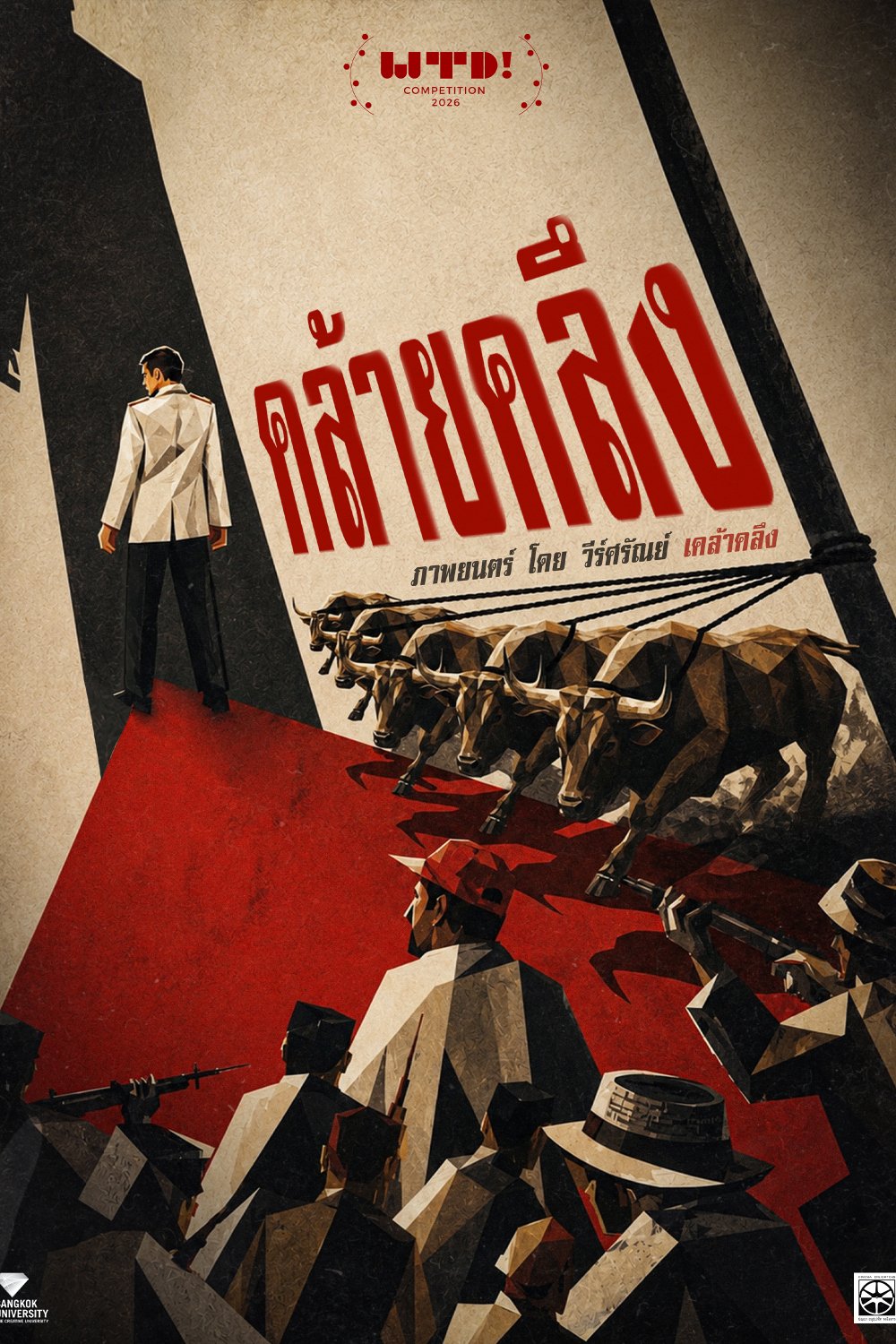
The Resemblance
คล้ายคลึง
หลังจากได้ยินพ่อเล่าเรื่อง “กำนันช้อง คล้ายคลึง” อดีตกำนันผู้เป็นที่รักของชาวเพชรบุรี ซึ่งถูกลอบสังหารก่อนวันเลือกตั้งเพียงไม่กี่วัน ผู้กำกับหนุ่มเริ่มสนใจโศกนาฏกรรมที่ยังคงถูกกล่าวขานในฐานะตำนานของเมือง แม้เวลาจะผ่านไปกว่าสี่ทศวรรษ ชื่อของกำนันช้องยังคงถูกพูดถึงราวกับเป็นส่วนหนึ่งของความทรงจำร่วมของชาวเพชรบุรี การเดินทางครั้งนี้เริ่มต้นขึ้นจากความต้องการค้นหาว่า กำนันช้องคือใคร และเหตุใดการเสียชีวิตของเขาจึงยังคงส่งอิทธิพลต่อผู้คนมาจนถึงปัจจุบัน
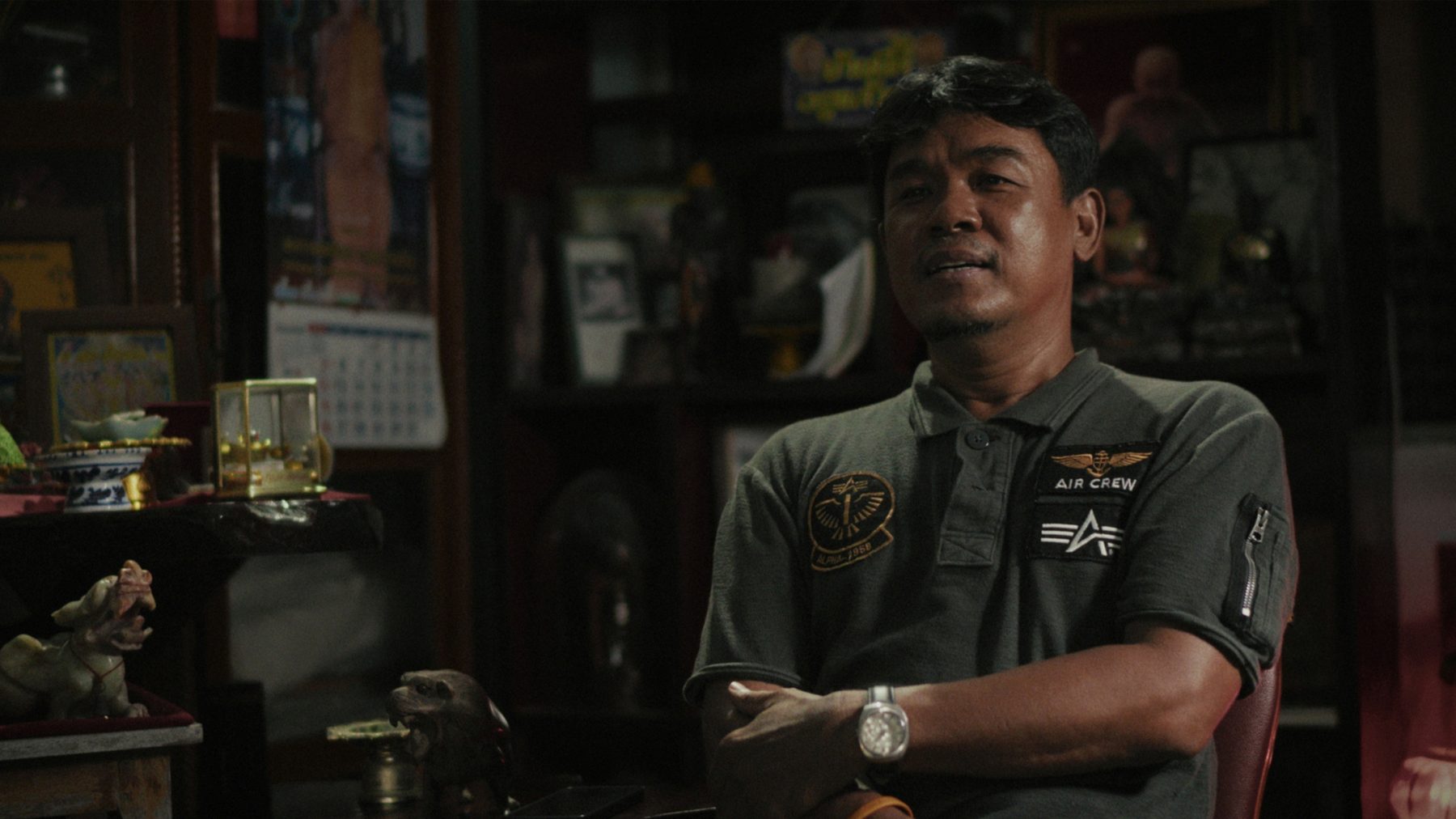
ผ่านคำบอกเล่าของพ่อ ญาติที่ยังมีชีวิตอยู่ และผู้คนในชุมชน หนังค่อย ๆ ประกอบสร้างภาพของชายผู้ได้รับความรักและศรัทธาจากผู้คน ก่อนที่ชีวิตของเขาจะจบลงท่ามกลางความขัดแย้งทางการเมืองในช่วงเปลี่ยนผ่านสำคัญของจังหวัด
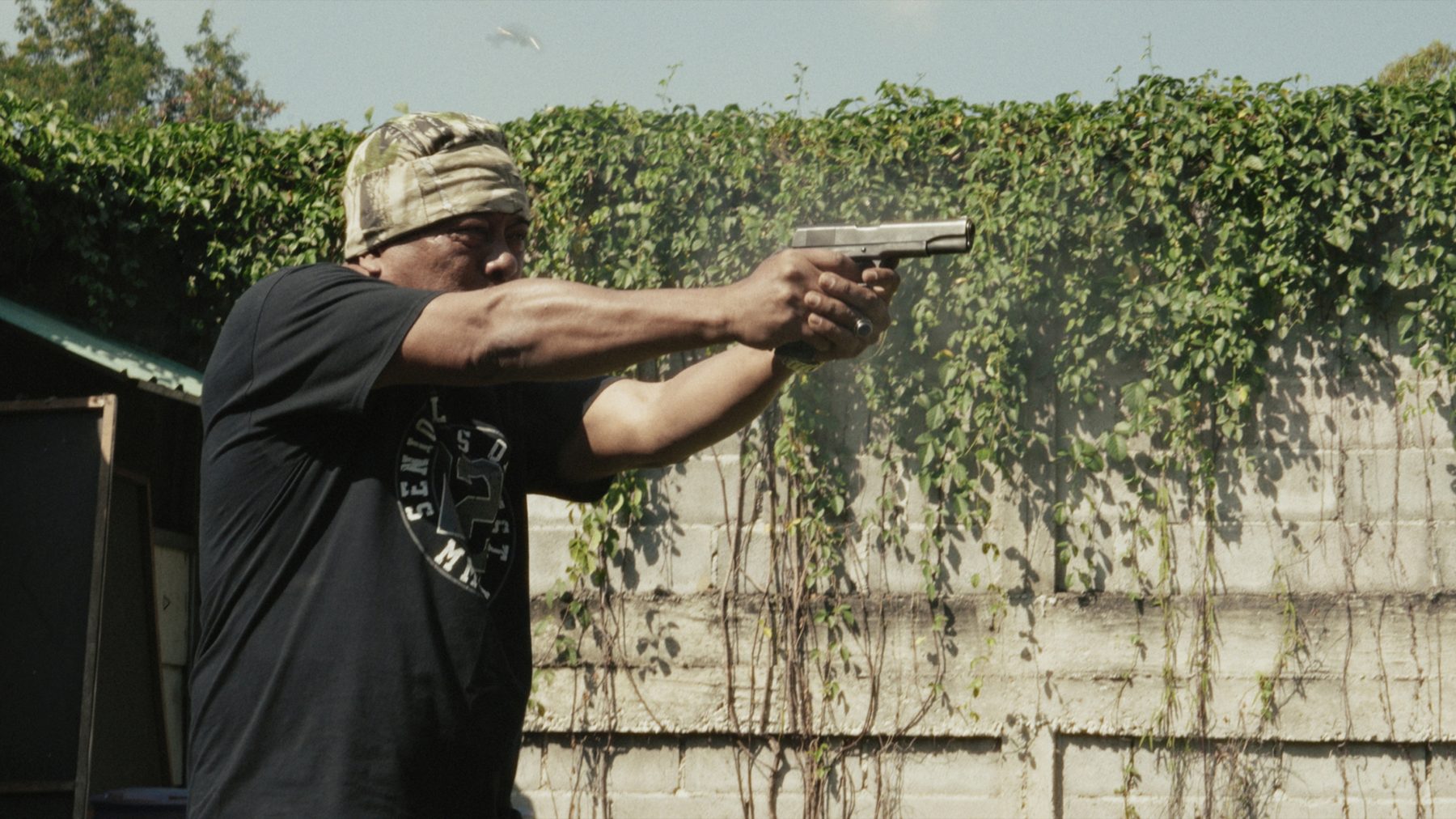
ระหว่างการสืบค้น ผู้กำกับค้นพบว่าการลอบสังหารครั้งนั้นไม่ได้เป็นเพียงคดีอาชญากรรมธรรมดา หากแต่สะท้อนการเปลี่ยนแปลงของโครงสร้างอำนาจ เมื่อการเมืองระดับภาคเริ่มเข้ามาแทรกแซงการเมืองท้องถิ่น ความรุนแรงจึงกลายเป็นส่วนหนึ่งของการต่อรองอำนาจในยุคสมัยที่เพชรบุรีถูกจดจำในนาม “เมืองมือปืน” นอกเหนือจากคำบอกเล่าและหลักฐานทางประวัติศาสตร์ สารคดียังใช้ฟุตเทจจากภาพยนตร์เรื่อง “กำนันช้อง” (2522) ซึ่งสร้างจากเหตุการณ์จริง มาเป็นหน้าต่างสำคัญในการสำรวจทั้งตัวตนของกำนันช้องและภาพจำของเพชรบุรีในช่วงเวลานั้น ขณะเดียวกัน หนังยังพาผู้ชมสำรวจวิถีชีวิตและวัฒนธรรมของเมืองผ่านประเพณี “วัวลาน” ซึ่งถูกนำเสนอในฐานะภาพสะท้อนของความรุนแรง ความภาคภูมิใจ และอัตลักษณ์ที่หล่อหลอมผู้คนในพื้นที่
ยิ่งเข้าใกล้อดีตมากขึ้นเท่าไร การเดินทางครั้งนี้ก็ยิ่งเปลี่ยนจากการค้นหาความจริงของตำนานเมือง ไปสู่การสำรวจความสัมพันธ์ระหว่างผู้กำกับกับพ่อ ผู้เป็นต้นทางของเรื่องเล่าทั้งหมด จากการตามหาร่องรอยของชายผู้กลายเป็นตำนาน สารคดีเรื่องนี้จึงค่อย ๆ กลายเป็นการค้นหาความหมายของความทรงจำ ครอบครัว และตัวตน ผ่านการมองย้อนกลับไปยังอดีตของเมืองที่ยังคงส่งอิทธิพลต่อผู้คนในปัจจุบัน “คล้ายคลึง” คือสารคดีที่ใช้โศกนาฏกรรมทางการเมืองเป็นประตูสู่การสำรวจประวัติศาสตร์ท้องถิ่น ความทรงจำร่วม และสายสัมพันธ์ภายในครอบครัว ตั้งคำถามถึงสิ่งที่ยังคงหลงเหลืออยู่เมื่อบุคคลหนึ่งกลายเป็นตำนาน และเมื่อเรื่องเล่าของเมืองกลับสะท้อนเรื่องราวของตัวเราเองอย่างไม่อาจแยกออกจากกันได้
After hearing his father recount the story of “Kamnan Chong Klaiklueng,” a beloved local leader of Phetchaburi who was assassinated just days before an election, a young filmmaker becomes fascinated by a tragedy that has endured in the collective memory of the province for more than four decades. Although many years have passed, Chong’s name continues to resonate among the people of Phetchaburi as if the event had happened only yesterday. Driven by a desire to understand who Kamnan Chong really was and why his death continues to shape local memory, the filmmaker returns to Phetchaburi to investigate the story.
Through conversations with his father, surviving relatives, and members of the community, the film gradually reconstructs the portrait of a man deeply loved and respected by the people around him before his life was cut short amid a turbulent period in the province’s political history.
As the investigation unfolds, the filmmaker discovers that the assassination was not merely an isolated act of violence. Instead, it reflects a broader shift in power, as regional political forces began to intervene in local politics. In a province once known as the “City of Gunmen,” violence became inseparable from the struggle for political influence and control. Alongside oral histories and archival materials, the documentary incorporates footage from Kamnan Chong (1979), a feature film based on the real-life events. These images serve as a window into both the legacy of Kamnan Chong and the cultural imagination of Phetchaburi during that era. The film also explores local traditions, including the practice of Wua Lan (bull racing), presenting it as a reflection of the pride, aggression, and social values that have shaped the identity of the province and contributed to its reputation as a land of strong-willed and formidable people.
The deeper the filmmaker ventures into the past, the more his journey transforms from an investigation into a local legend into a personal exploration of his relationship with his father, the person who first introduced him to the story. What begins as a search for the truth behind a political tragedy gradually becomes a meditation on memory, family, and identity, revealing how the history of a place continues to echo through the lives of those who inherit it. The Resemblance is a documentary that uses a political tragedy as a gateway to explore local history, collective memory, and familial bonds. It asks what remains when a man becomes a legend, and how the stories a community tells about itself can ultimately illuminate the stories we carry within our own families.
Stills
Trailer
Crew
Director | Weesaran Klaoklung (วีร์ศรัณย์ เคล้าคลึง)
Director of Photography (DP) | Songwut Manjong (ทรงวุฒิ มั่นจอง)
Editor & Sound Recordist | Yosthana Boonyoprakan (ยศธนะ บุญโยประการ)
Assistant Director | Engkarat Sornsriwichai (อิงครัต ศรศรีวิชัย)
Camera Operator 1 | Praniwat Daengkhao (ประนิวัฒน์ แดงขาว)
Camera Operator 2 | Phuklao Meewan (ภูเกล้า มีวรรณ)
Production Manager | Natthaphong Phuengniam (ณัฐพงษ์ พึ่งเนียม)
Color Grading | Chanint Juntawong (ชนินทร์ จันทวงค์)
Biography

วีร์ศรัณย์ เคล้าคลึง หรือ “เพชร” เป็นนักศึกษาชั้นปีที่ 4 คณะดิจิทัลมีเดียและศิลปะภาพยนตร์ มหาวิทยาลัยกรุงเทพ ความสนใจในภาพยนตร์ของเขาเริ่มต้นจากความชื่นชอบในการถ่ายภาพและการเล่าเรื่องผ่านภาพนิ่ง ก่อนจะค่อย ๆ พัฒนาไปสู่ความหลงใหลในการสร้างภาพยนตร์ แม่ของเขามักเล่าเรื่องตลกอยู่เสมอว่า เมื่อครั้งยังเป็นทารก พ่อแม่เคยพาเขาเข้าไปดูหนังในโรงภาพยนตร์ แต่เขากลับร้องไห้จนต้องออกจากโรงตั้งแต่หนังก่อนเริ่มฉาย หลายปีต่อมา เขากลับเลือกเข้าศึกษาในมหาวิทยาลัยกรุงเทพ ซึ่งเป็นหนึ่งในสถาบันที่มีชื่อเสียงด้านการเรียนการสอนภาพยนตร์ของประเทศไทย ระหว่างการศึกษา เพชรได้รับทุนสนับสนุนจากมหาวิทยาลัยเพื่อสร้างภาพยนตร์สารคดี ซึ่งนับเป็นก้าวสำคัญครั้งแรกในเส้นทางการทำงานภาพยนตร์สารคดี แม้จะเป็นพื้นที่ใหม่ที่เต็มไปด้วยความไม่รู้ แต่ความกล้าที่จะทดลองและเรียนรู้จากความผิดพลาดได้พาเขาไปพบผู้คนหลากหลาย และทำให้เขาได้สัมผัสกับบางสิ่งที่ยิ่งใหญ่กว่าตัวเอง เพชรเป็นคนรักการเดินทาง และยึดถือคติประจำใจว่า “จงสร้างงานที่มีคุณค่า และคิดถึงผู้อื่นอยู่เสมอ” เขาเชื่อว่าคุณค่าของมนุษย์อยู่ที่การกระทำ และความหมายของชีวิตอยู่ที่สิ่งที่เราส่งต่อให้กับผู้อื่น ความสนใจในเรื่องราวของผู้คนและประวัติศาสตร์ท้องถิ่นนำพาเขาไปสู่เรื่องราวของ “กำนันช้อง คล้ายคลึง” บุคคลสำคัญผู้เป็นที่รักของชาวเพชรบุรี ซึ่งถูกลอบสังหารเมื่อกว่าสี่สิบปีก่อน แต่ยังคงอยู่ในความทรงจำร่วมของผู้คนในจังหวัด เหตุการณ์ดังกล่าวได้รับความสนใจอย่างกว้างขวางจนถูกนำไปสร้างเป็นภาพยนตร์เรื่อง “กำนันช้อง” (2522) ก่อนที่ตัวภาพยนตร์จะค่อย ๆ เลือนหายไปจากการรับรู้ของสาธารณชน เมื่อทราบว่าภาพยนตร์เรื่องนี้ไม่สามารถรับชมได้อีกต่อไป เพชรจึงเริ่มต้นภารกิจเพื่อตามหาภาพยนตร์ที่สูญหายและนำมันกลับคืนสู่ชุมชน การสืบค้นของเขาพาไปสู่หอภาพยนตร์แห่งประเทศไทย ซึ่งยังคงเก็บรักษาวัสดุภาพยนตร์บางส่วนเอาไว้ เขาทำงานร่วมกับหอภาพยนตร์ องค์กรด้านศิลปวัฒนธรรมในจังหวัดเพชรบุรี และลูกหลานของกำนันช้อง จนสามารถนำภาพยนตร์ “กำนันช้อง” (2522) กลับมาฉายได้อีกครั้งในงานประจำปีวัดพระรูป จังหวัดเพชรบุรี อันเป็นบ้านเกิดของกำนันช้อง และเป็นบ้านเกิดของพ่อเขาเช่นกัน โครงการนี้ยังกลายเป็นจุดเปลี่ยนสำคัญในความสัมพันธ์ระหว่างเขากับพ่อ จากเดิมที่ทั้งสองต่างห่างเหินและไม่ค่อยเปิดเผยความรู้สึกต่อกัน การพูดคุยเกี่ยวกับกำนันช้องและความเป็นไปได้ของความเชื่อมโยงทางเครือญาติ ได้เปิดพื้นที่ให้ทั้งคู่ได้ทำความรู้จักกันอีกครั้ง สิ่งที่เริ่มต้นจากการค้นคว้าทางประวัติศาสตร์ จึงค่อย ๆ กลายเป็นการเยียวยาและเชื่อมโยงสายสัมพันธ์ระหว่างพ่อกับลูก สำหรับเพชร การทำสารคดีคือประตูบานหนึ่งที่นำพาเขาเข้าสู่หัวใจของผู้คน เขาเชื่อว่าเมื่อปลดกล้องออกจากกระบวนการถ่ายทำ สิ่งที่เหลืออยู่คือมนุษย์คนหนึ่งที่กำลังตั้งใจรับฟังมนุษย์อีกคนหนึ่งอย่างจริงใจที่สุด
Weesaran Klaoklung, affectionately known as “Phet,” is a fourth-year student at Bangkok University’s School of Digital Media and Cinematic Arts. His journey into cinema began with a passion for photography and visual storytelling, which gradually evolved into a deep fascination with filmmaking. Ironically, his mother often recalls a humorous childhood anecdote: when Phet was still an infant, his parents once took him to a movie theater, only to leave before the film began because he cried relentlessly. Years later, he would choose to study at Bangkok University, one of Thailand’s leading institutions for film education. During his studies, Phet received a university grant to create a documentary, marking his first significant venture into nonfiction filmmaking. Entering unfamiliar territory, he embraced experimentation and uncertainty, allowing the process to introduce him to people from diverse backgrounds. Although the work itself did not gain widespread recognition, the experience profoundly shaped him, making him feel connected to something larger than himself. An avid traveler, Phet lives by the motto: “Create meaningful work, and always keep others in mind.” He believes that a person’s value is defined by their actions, and that life finds meaning through what we pass on to others. His interest in human stories and local history eventually led him to the legacy of Kamnan Chong Khlaoklung, a beloved political figure from Phetchaburi Province whose assassination more than forty years ago continues to resonate within local memory. The tragedy became so well known that it inspired the feature film Kamnan Chong (1979), a work that later disappeared from public circulation. Upon learning that the film was no longer accessible, Phet embarked on a mission to recover it for the community. His research eventually led him to the National Film Archive of Thailand, where surviving film materials were being preserved. Working in collaboration with the Film Archive, local cultural organizations, and Kamnan Chong’s descendants, he helped bring Kamnan Chong (1979) back to the screen during the annual Wat Phra Rup Festival in Phetchaburi, the hometown of both Kamnan Chong and Phet’s father. The project also transformed his relationship with his father. Having grown up emotionally distant from one another, the two found common ground through conversations about Kamnan Chong and a possible familial connection to the historical figure. What began as a historical investigation gradually became an opportunity for reconciliation, allowing father and son to rediscover one another through a shared story. For Phet, documentary filmmaking is a gateway into the human heart. He believes that when the camera is stripped away, what remains is simply one person listening deeply and sincerely to another.