Fantasy: เมื่อสารคดีกลายเป็นความฝัน และความกลัวพาเราเข้าไปในป่า
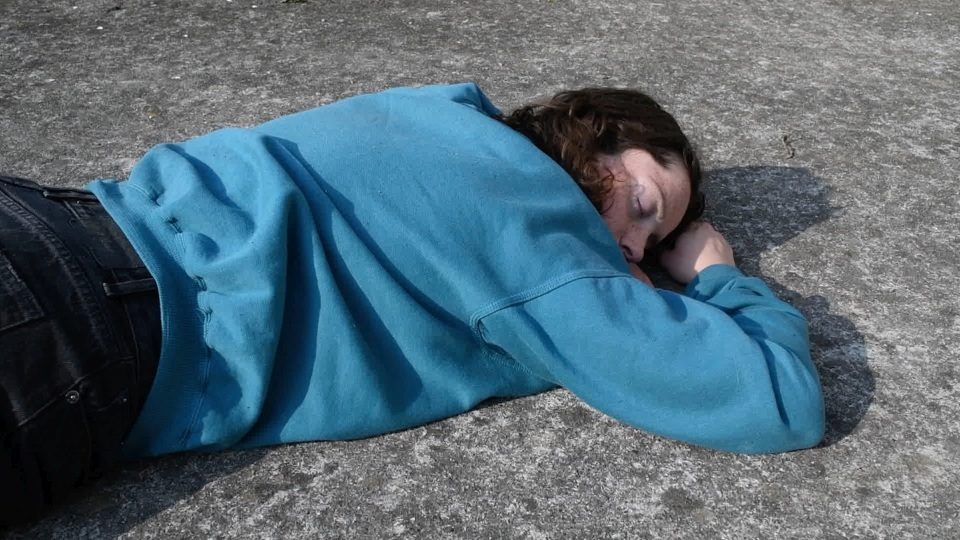
ในบ้านมืด ๆ หญิงสาวคนหนึ่งใช้ชีวิตท่ามกลางแสงจากหน้าจอ เขียนความคิดและความกลัวลงในสมุด เธอกลัวคนอื่น ๆ และเธอกลัวตัวเอง รู้สึกราวกับเป็นทั้งพืชและสิ่งมีชีวิตที่กำลังถูกล่า จากภาพชีวิตธรรมดาเหล่านี้ Fantasy (Fantaisie) ค่อย ๆ พาเราออกจากพื้นที่ของสารคดี ไปสู่ป่าในยามค่ำคืน ที่ซึ่งความทรงจำ ความปรารถนา ภูตผี และความฝันเริ่มแยกไม่ออกจากความเป็นจริง
หนังยาวเรื่องแรกของ Isabel Pagliai ผู้กำกับสาวชาวฝรั่งเศสวัย 30 ต้น ๆ คนนี้ เริ่มจากเหตุการณ์ธรรมดาอย่างไม่น่าเชื่อ Pagliai พบ Louise หญิงสาวที่กลายมาเป็นหัวใจของหนังเรื่องนี้โดยบังเอิญที่โรงภาพยนตร์ La Clef ในปารีส หลังการพบกัน Louise บอกว่าเธออยากทำหนัง Pagliai จึงเริ่มต้นจากการพยายามช่วยเธอสร้างเรื่องที่อยากเล่า แต่ไม่นานผู้กำกับก็พบว่า สิ่งที่ Louise ต้องการอาจไม่ใช่การ “เล่าเรื่อง” ตามความหมายปกติ หากเป็นการสร้างโลกขึ้นมาจากความรู้สึก จินตนาการ และข้อความที่เธอเขียนไว้ในสมุดส่วนตัว
สิ่งนี้กลายเป็นโครงสร้างอันประหลาดของ Fantasy ครึ่งแรกของหนังมีลักษณะคล้ายภาพเหมือนเชิงสารคดี เรามอง Louise ผ่านวิดีโอคุณภาพต่ำ ภาพนิ่งในความมืด เสียงของเธอที่ไม่ได้ผูกติดอยู่กับร่างกาย ภาพการอ่านข่าว เล่นกับแมว หรือเฝ้ามองโทรศัพท์ตามลำพังในบ้าน แต่แล้วหนังกลับค่อย ๆ สลัดความสมจริงนั้นออก โลกภายนอกกลายเป็นพื้นที่ของจิตใต้สำนึก และสิ่งที่เราเห็นอาจเป็นทั้งเหตุการณ์จริง ความทรงจำ หรือภาพฝันในเวลาเดียวกัน
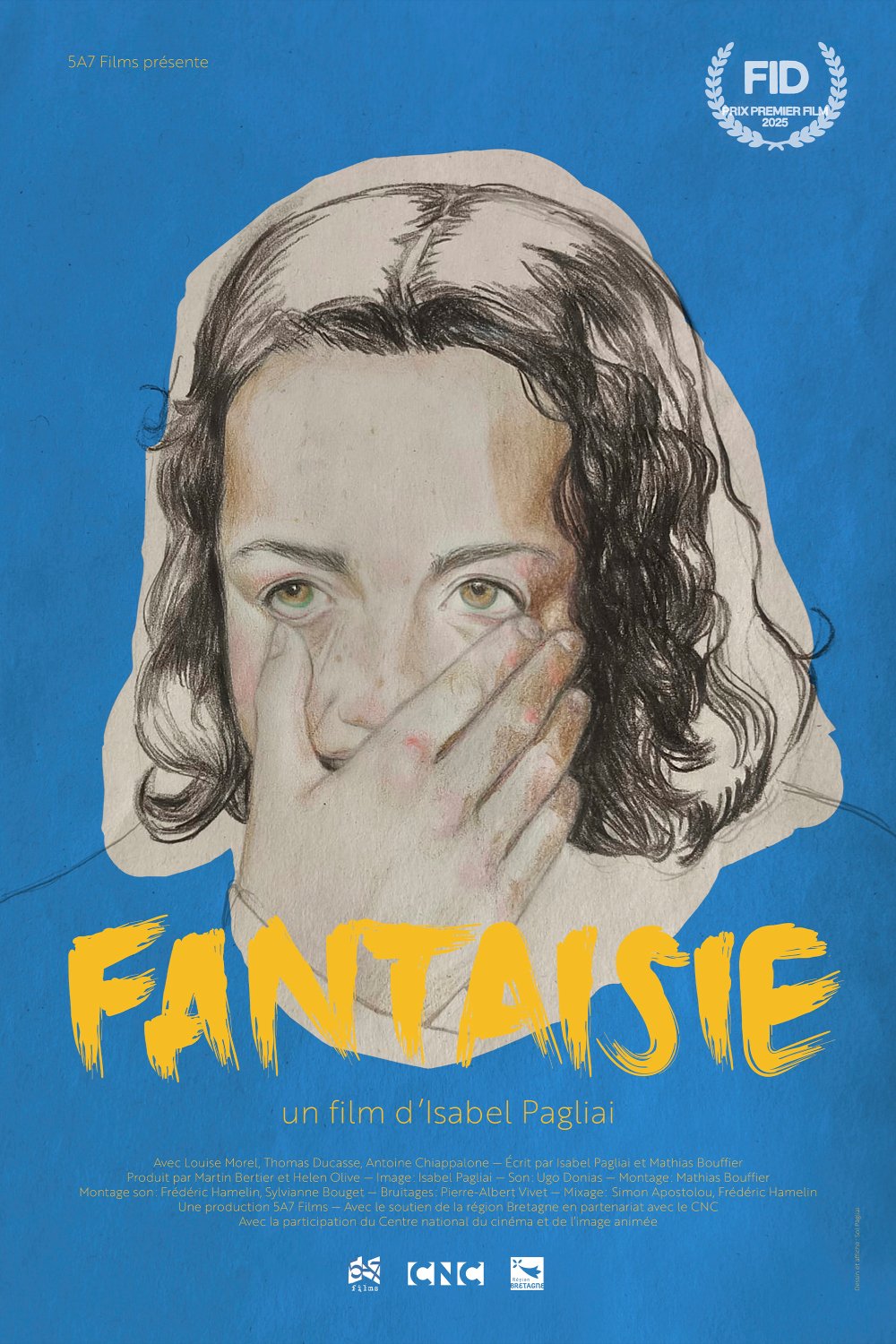
Pagliai เรียกส่วนนี้ของหนังว่า “ความฝันเชิงสารคดี” ความพยายามทำให้สิ่งที่เกิดขึ้นตรงหน้าอยู่ร่วมกันกับสิ่งลึกลับและไร้เหตุผลแบบเดียวกับความฝัน แทนที่จะอธิบายตัวละคร หนังปล่อยให้แสง ความมืด เสียง ร่างกาย และภูมิทัศน์ค่อย ๆ เปิดประตูเข้าไปหาความรู้สึกของ Louise
นี่จึงเป็นหนังสารคดีที่แทบไม่สนใจพรมแดนระหว่าง documentary กับ fiction บางช่วงให้ความรู้สึกเหมือนไดอารี บางช่วงเหมือนหนังผี บางช่วงเหมือนเรื่องรัก และบางช่วงเหมือนเรากำลังเดินหลงอยู่ภายในจิตใจของใครอีกคน งานภาพของ Pagliai ซึ่งถ่ายทำด้วยตัวเองใช้ความมืดและแสงเพียงเล็กน้อยสร้างภาพที่ทั้งเปราะบางและวูบไหวหลอกหลอน จนกลายเป็นหนึ่งในคุณสมบัติที่ได้รับการกล่าวถึงอย่างมากของหนังเรื่องนี้ นักวิจารณ์ยังชี้ให้เห็นถึงวิธีที่หนังตัดสลับระหว่างภาพแบบแสงต่ำ กับภาพที่จัดแสงสวยราวภาพวาด และใช้ความไม่ต่อเนื่องนั้นสะท้อนสภาวะภายในของ Louise
Fantasy เปิดตัวครั้งแรกที่ FIDMarseille 2025 ประเทศฝรั่งเศส และคว้า Prix Premier Film อันเป็นรางวัลภาพยนตร์เรื่องแรกยอดเยี่ยม ก่อนจะไปคว้า Best Director Award ในสาย International Competition ของ Doclisboa ประเทศโปรตุเกส ซึ่งคณะกรรมการยกย่องหนังว่าเป็นภาพเหมือนอันใกล้ชิด อ่อนโยน และเข้มข้นของความสูญเสีย ความรัก และความคิดถึง ต่อมาหนังเดินทางต่อไปยังเทศกาลสำคัญจำนวนมาก ทั้ง Viennale, IDFA, CPH:DOX, New Directors/New Films, Jeonju และอีกหลายเทศกาล ก่อนจะได้รับ Special Mention จาก Doc Alliance Award 2026 โดยกรรมการกล่าวถึงความสามารถเฉพาะตัวของ Pagliai ในการสร้าง “ภาพที่ฝังแน่นและยากจะลืมเลือน”
แต่สิ่งที่ทำให้ Fantasy น่าดูไม่ได้อยู่ที่รายชื่อรางวัลเพียงอย่างเดียว มันอยู่ที่การเป็นหนังซึ่งกล้าไม่บอกเราว่าอะไรคือเรื่องจริง และไม่บังคับให้เราต้อง “เข้าใจ” Louise อย่างสมบูรณ์ หนังชวนเราเข้าไปอยู่ข้าง ๆ ความกลัว ความโดดเดี่ยว ความปรารถนา และความสับสนของเธอเอง จนกระทั่งขอบเขตระหว่างคนที่เรากำลังมองกับตัวเราเองเริ่มพร่าเลือน
Fantasy คือหนึ่งในภาพยนตร์สาย W Award Selection ของ What the Doc! Film Festival 2026 ความยาว 79 นาที จากฝรั่งเศส และอาจเป็นหนึ่งในหนังที่เหมาะที่สุดสำหรับคนที่อยากเห็นว่า “สารคดี” สามารถเดินออกจากโลกแห่งข้อเท็จจริง แล้วเข้าไปไกลถึงดินแดนแห่งความฝันได้แค่ไหนและอย่างไร
- ศุกร์ 28 สิงหาคม 2026 · 12:00 น.Fri 28 August 2026 · 12:00Doc Club & Friends.
- พุธ 9 กันยายน 2026 · 14:00 น.Wed 9 September 2026 · 14:00Doc Club & Friends.
ดูฟรีทุกเรื่อง ทุกรอบ รับบัตรที่หน้างาน 30 นาทีก่อนฉาย ทุกเรื่องมีคำบรรยายไทยและอังกฤษFree admission. No booking. Tickets at the venue 30 minutes before each screening. All films have Thai and English subtitles.
Fantasy: When Documentary Becomes a Dream, and Fear Leads Us Into the Forest
In a darkened house, a young woman lives surrounded by the glow of screens, writing down her thoughts and fears in a notebook. She is afraid of other people, and she is afraid of herself. At times, she feels as though she were both a plant and a creature being hunted. From these seemingly ordinary moments, Fantasy (Fantaisie) gradually takes us beyond the realm of documentary and into a nocturnal forest, where memory, desire, ghosts, and dreams begin to blur with reality.
The first feature-length film by Isabel Pagliai, a French filmmaker in her early thirties, began with an unexpectedly ordinary encounter. Pagliai met Louise, the young woman who would become the heart of the film, by chance at La Clef cinema in Paris. Louise told her that she wanted to make a film. Pagliai initially tried to help her create the story she wanted to tell, but soon realized that what Louise was looking for might not be “storytelling” in the conventional sense. Rather, she wanted to construct a world out of feelings, imagination, and the words she had written in her private notebooks.
This became the unusual structure of Fantasy. The first half resembles an intimate documentary portrait. We observe Louise through low-resolution video, still images emerging from darkness, and a voice that seems detached from the body. We see her reading the news, playing with her cat, or staring at her phone alone at home. Then, gradually, the film begins to shed its realism. The external world turns into a landscape of the subconscious, and what we see may simultaneously be an actual event, a memory, or a dream.
Pagliai describes this part of the film as a “documentary dream”, an attempt to allow what exists before the camera to coexist with the mysterious and irrational logic of dreams. Rather than explaining her character, the film lets light, darkness, sound, bodies, and landscape slowly open a passage into Louise’s inner world.
Fantasy is therefore a documentary with little interest in respecting the boundary between documentary and fiction. At times it feels like a diary; at others, a ghost story, a love story, or an experience of becoming lost inside someone else’s mind. Pagliai, who shot the film herself, uses darkness and minimal light to create images that are fragile, flickering, and quietly haunting, one of the film’s most distinctive qualities. Critics have also noted the way it moves between low-light imagery and beautifully composed, almost painterly scenes, using these visual discontinuities to reflect Louise’s shifting inner state.
Fantasy premiered at FIDMarseille 2025 in France, where it won the Prix Premier Film, the award for Best First Film. It later received the Best Director Award in the International Competition at Doclisboa in Portugal, whose jury praised the film as an intimate, tender, and powerful portrait of loss, love, and longing.
The film has since travelled to a wide range of major festivals, including Viennale, IDFA, CPH:DOX, New Directors/New Films, Jeonju, and others, before receiving a Special Mention at the 2026 Doc Alliance Award. The jury singled out Pagliai’s distinctive ability to create images that remain deeply imprinted in the memory.
But what makes Fantasy compelling is not simply its list of awards. Its real strength lies in its refusal to tell us exactly what is real, and in its refusal to demand that we fully “understand” Louise. Instead, the film invites us to stay beside her fear, loneliness, desire, and confusion, until the boundary between the person we are watching and ourselves begins to dissolve.
Fantasy is part of the W Award Selection at the What the Doc! Film Festival 2026. Running 79 minutes and produced in France, it may be one of the most fascinating films for anyone curious to see just how far a “documentary” can step away from the world of facts and venture into the territory of dreams.